
What the Gut Microbiome Is And Why It Matters for Your Health


The gut microbiome is a community of trillions of bacteria, fungi, viruses, and other microorganisms living in your digestive tract that directly influence your digestion, immunity, metabolism, and brain function. When this ecosystem is balanced and diverse, it supports better health. When it's disrupted, the effects can ripple across nearly every system in your body.
You can't see them, but the microorganisms living in your gut are among the most influential factors shaping how your body functions every day. Understanding what they are, what they do, and how to assess them is one of the most important steps you can take for your long-term health.
What is the gut microbiome?
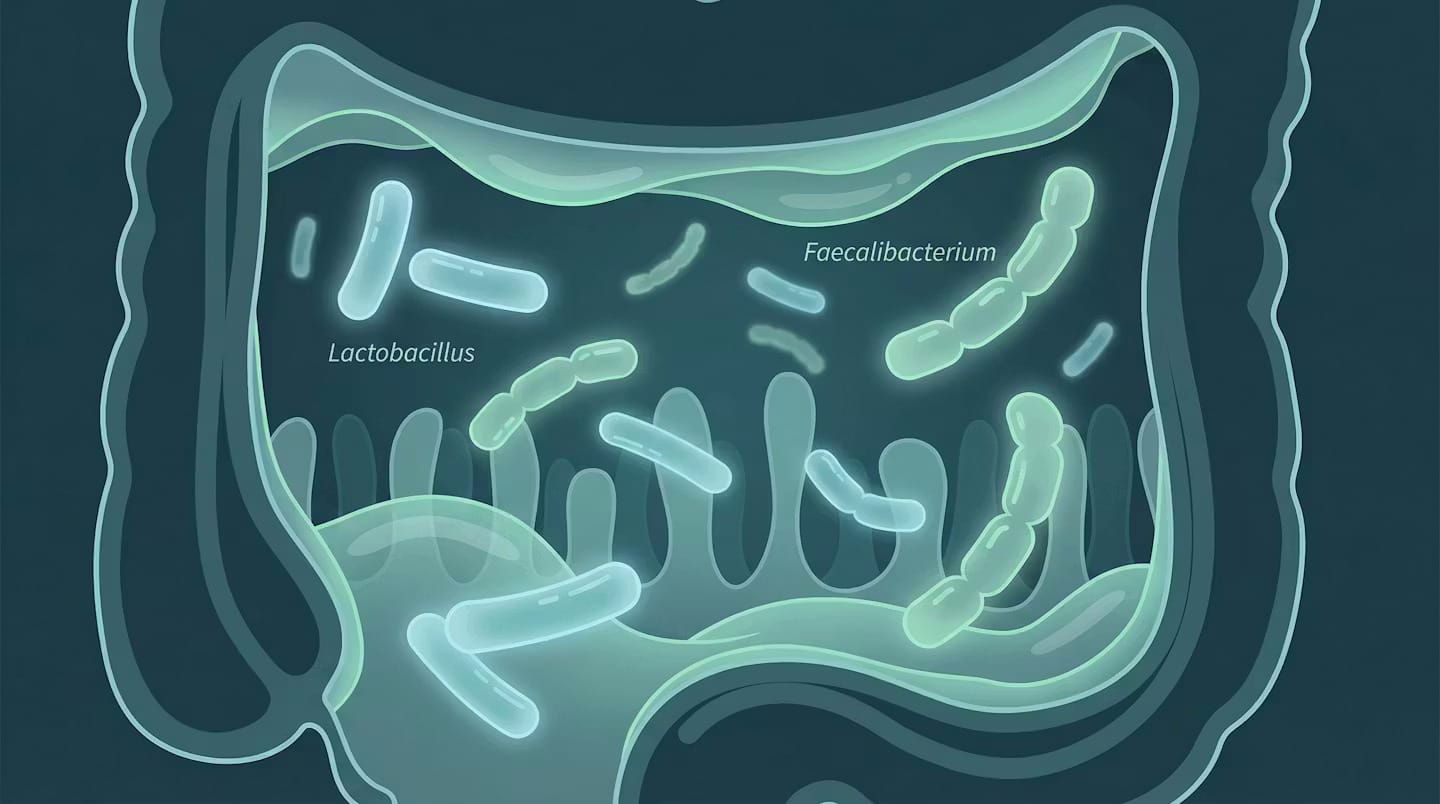
The gut microbiome is the collective community of trillions of microorganisms — including bacteria, fungi, viruses, and archaea — that live in your digestive tract and perform functions essential to your health.
Think of it as a living ecosystem, similar to a rainforest or coral reef. It's made up of many different species, each with its own role. Some help break down food. Some produce vitamins. Others train your immune system to recognize what's harmful and what isn't. When this ecosystem is balanced and diverse, it tends to support better health across multiple body systems.
What does the gut microbiome do?
Your gut microbiome performs several critical functions that happen quietly in the background but shape how you feel, how your body handles stress, and how resilient your health is over time.
Key functions of the gut microbiome include:
- Digesting food — breaking down fibers and nutrients your body cannot process on its own
- Producing beneficial compounds — such as short-chain fatty acids that support gut lining integrity and help regulate inflammation
- Supporting immunity — helping your body distinguish between harmful and harmless substances
- Influencing metabolism — affecting how your body processes and stores energy
- Communicating with the brain — through the gut-brain axis, a bidirectional signaling network that links gut health to mood, cognition, and stress response
These aren't minor background processes. They are core biological functions that affect how you feel every day.
Why is everyone's gut microbiome different?
No two people share the same microbial fingerprint. Your gut microbiome is shaped by your diet, environment, stress levels, medications, sleep patterns, and even exposures from early life. This individual variation is exactly why generic gut health advice so often falls flat — and why personalized insights based on your specific microbiome data are far more meaningful.
What does a "healthy" gut microbiome look like?
A healthy gut microbiome is not about having one perfect set of bacteria. It is defined by balance, diversity, and function.
A diverse microbial community tends to be more adaptable and more effective at supporting digestion, immune regulation, and metabolic health. When the microbiome loses diversity or becomes imbalanced — a state called dysbiosis — it may become less capable of performing these functions, which can show up as digestive issues, immune disruption, metabolic changes, or other downstream effects.
Diversity and functional capacity are the two markers that matter most.
How does gut microbiome testing work?
Gut microbiome testing analyzes a stool sample to identify which microorganisms are present in your digestive tract and, depending on the technology used, what those organisms are doing. It gives you a view of your gut ecosystem — who lives there, in what quantities, and what functions they may be contributing to or disrupting.
Not all gut tests use the same technology, and the differences in what they can reveal are significant. The sequencing method behind a test determines how much meaningful information you actually get.
What makes Dayhoff Health's approach different?
Dayhoff Health uses shotgun metagenomic sequencing — a method that reads all the DNA in your sample rather than scanning a single gene. This allows identification of microbes at the species and strain levels, detection of bacteria, fungi, viruses, and archaea, and analysis of the functional pathways those microbes influence.
Most gut tests read the chapter titles. Dayhoff reads every page of the book.
Dayhoff also analyzes three samples collected over several days rather than relying on a single snapshot. Your microbiome naturally shifts from day to day, meaning a single sample can miss important patterns. Three samples provide a steadier, more reliable baseline — more like watching how a garden changes across a few mornings rather than judging it from a single glance.
Together, this approach helps you understand:
- How your gut community behaves across multiple days
- Which microbes may be supporting digestion, immunity, and metabolism
- Where there may be imbalances or low diversity
- How your lifestyle may be shaping your gut over time
Deeper sequencing plus multiple samples means your results reflect a truer, more stable picture of your gut, so your insights are more personal, more accurate, and more useful.
Frequently Asked Questions
What is the gut microbiome made of? The gut microbiome is composed of trillions of microorganisms including bacteria, fungi, viruses, and archaea that live in the digestive tract. Bacteria are the most studied, but fungi and viruses also play meaningful roles in gut health.
How does the gut microbiome affect overall health? The gut microbiome influences digestion, immune function, metabolism, inflammation regulation, and brain health through the gut-brain axis. Disruptions to microbiome balance have been associated with digestive conditions, metabolic disorders, immune dysfunction, and mood disorders.
What causes an unhealthy gut microbiome? Common disruptors include poor diet (especially low fiber and high processed food intake), antibiotic use, chronic stress, poor sleep, and certain medications. These factors can reduce microbial diversity and shift the balance toward less beneficial species.
How do you test the gut microbiome? Gut microbiome testing analyzes a stool sample using DNA sequencing technology. The two main methods are 16S rRNA sequencing, which identifies bacteria at a broad level, and shotgun metagenomic sequencing, which provides species-level identification and functional pathway analysis across all microorganism types.
Why does Dayhoff Health test three samples instead of one? The gut microbiome naturally fluctuates day to day. A single sample captures one moment in time and can miss patterns that only emerge across multiple days. Three samples collected over several days provide a more stable, accurate baseline — resulting in more reliable and actionable insights.
What is the gut-brain axis? The gut-brain axis is a bidirectional communication network between the gut microbiome and the brain, involving neural, hormonal, and immune signaling pathways. Research has linked gut microbiome composition to mood, cognitive function, stress response, and neurological health.
Dayhoff Health uses shotgun metagenomic sequencing and multi-sample analysis to deliver a complete picture of your gut microbiome. Learn more at dayhoffhealth.com.